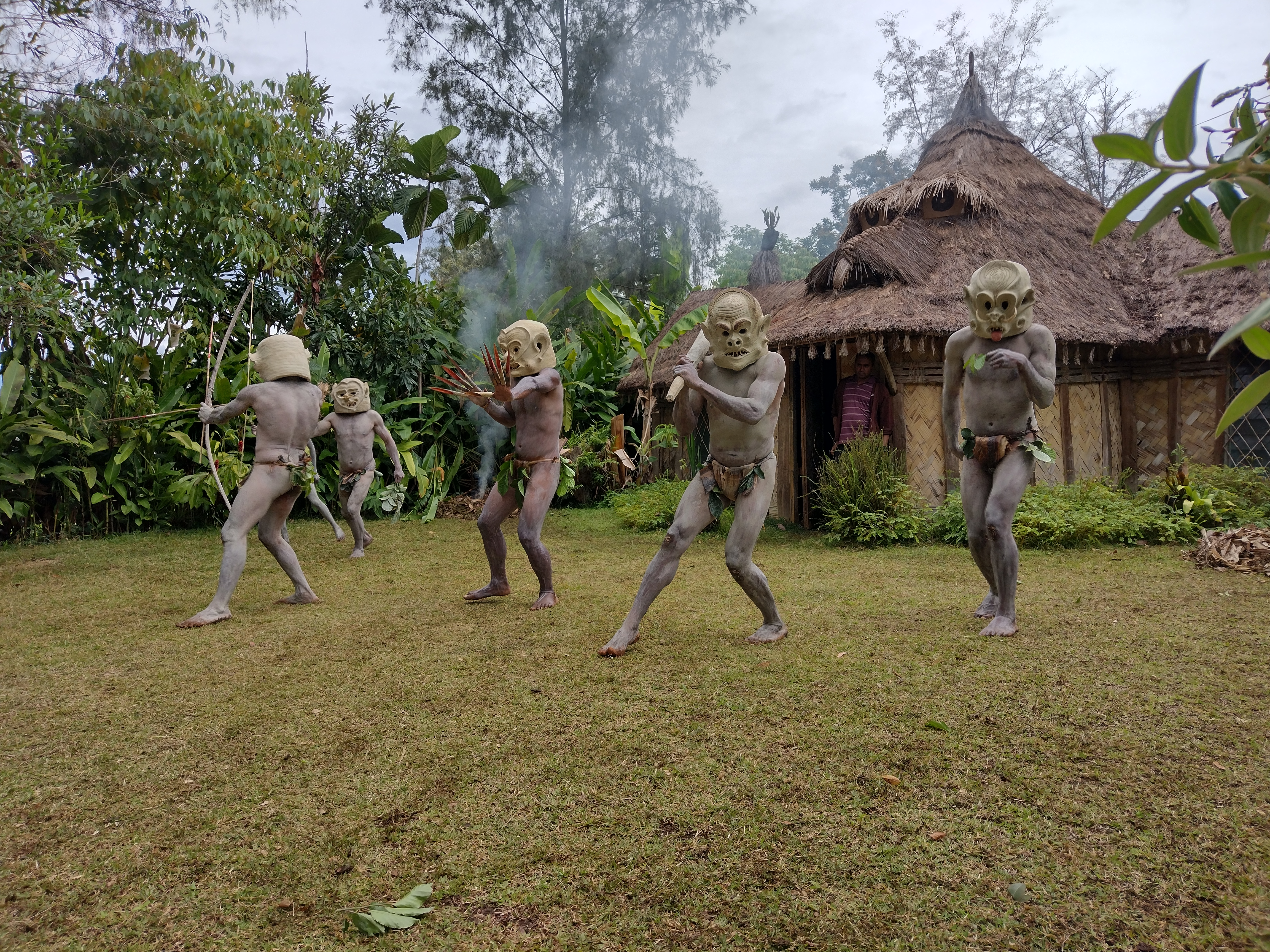
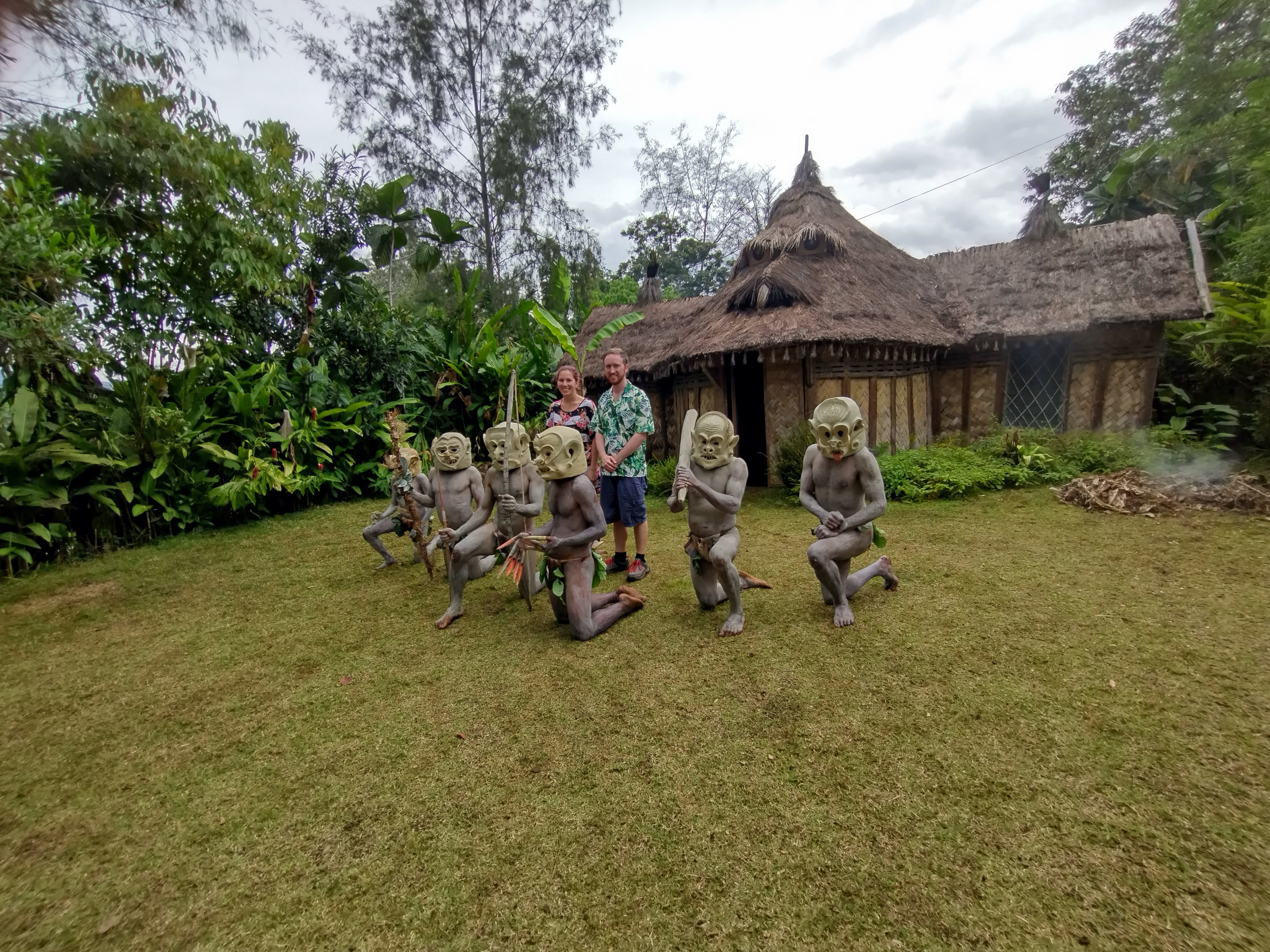
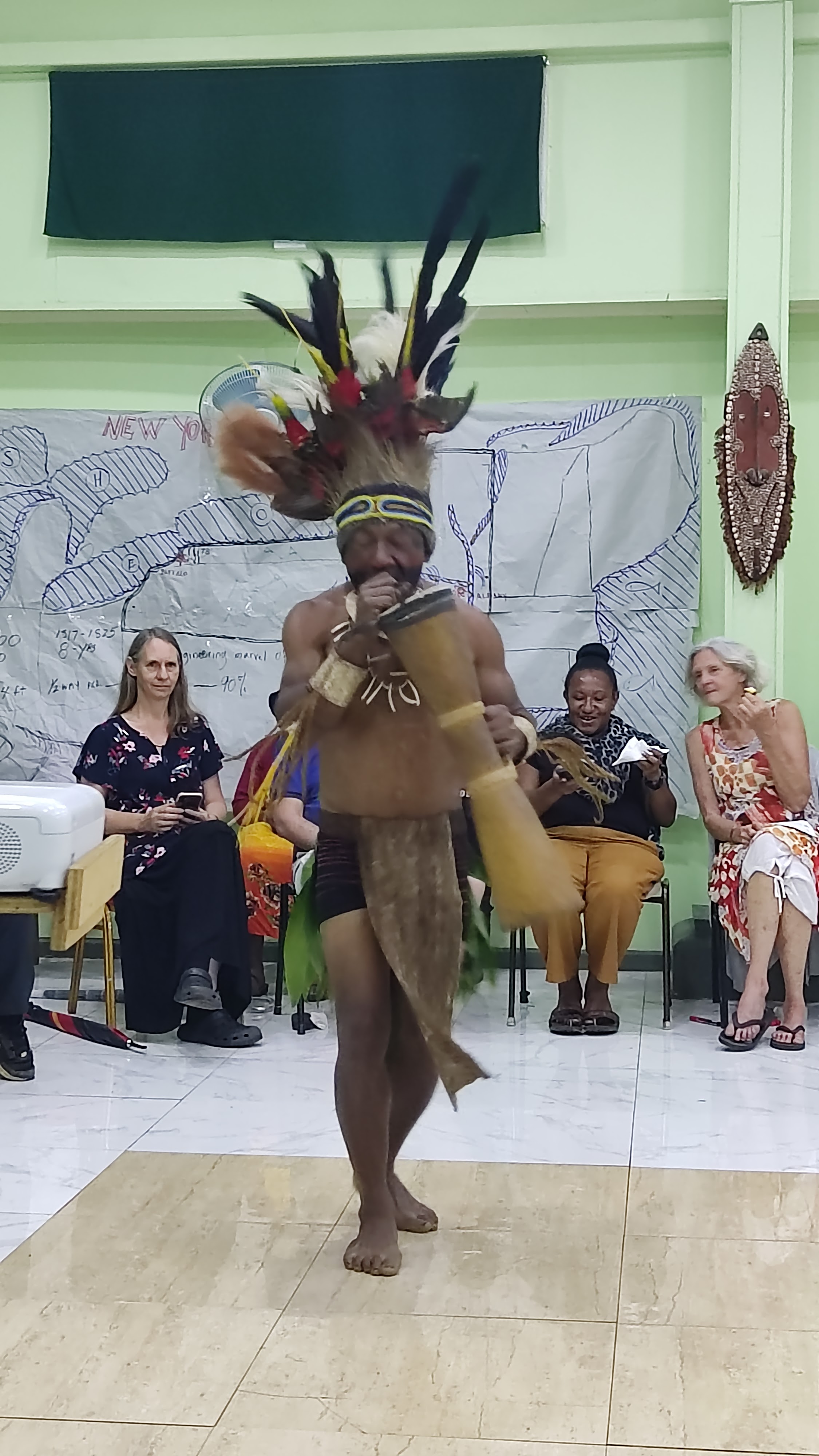
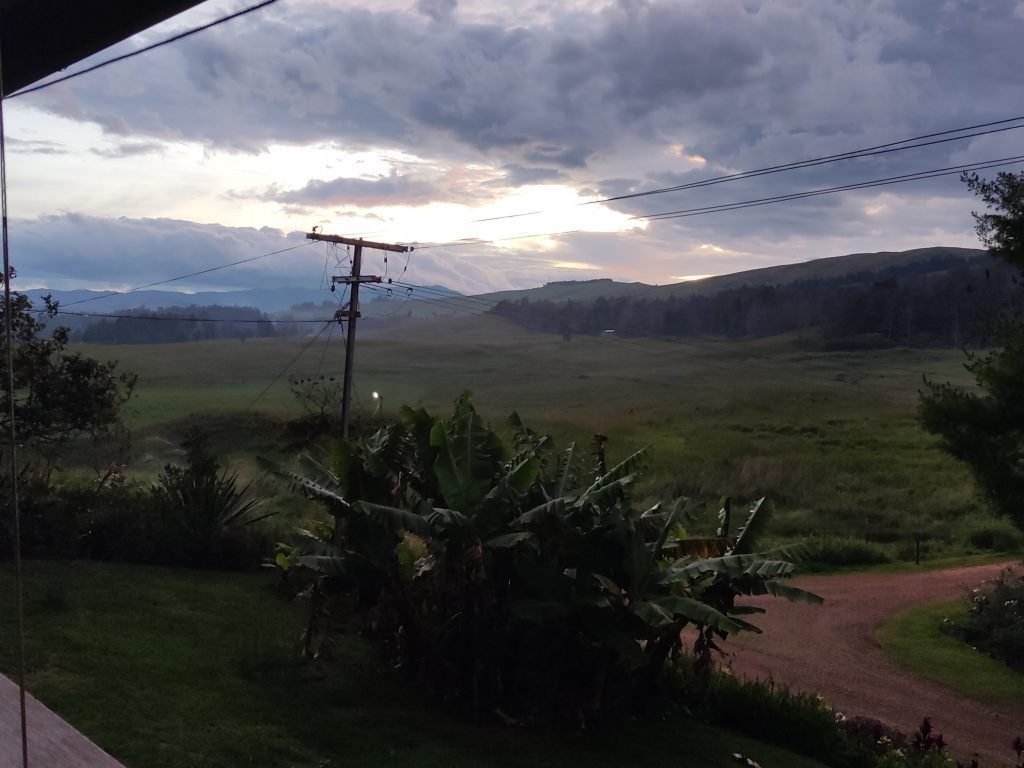
On March 13th we left Ukarumpa and headed down to Morobe Province for the last part of our orientation. We lived in a traditional Papua New Guinean village named E’ec for a month, learning and practicing Tok Pisin, the language of wider communication for most of PNG, and learning about the culture and pasin (way of life) of this group.
We’ve included a video below with some highlights from our time there.
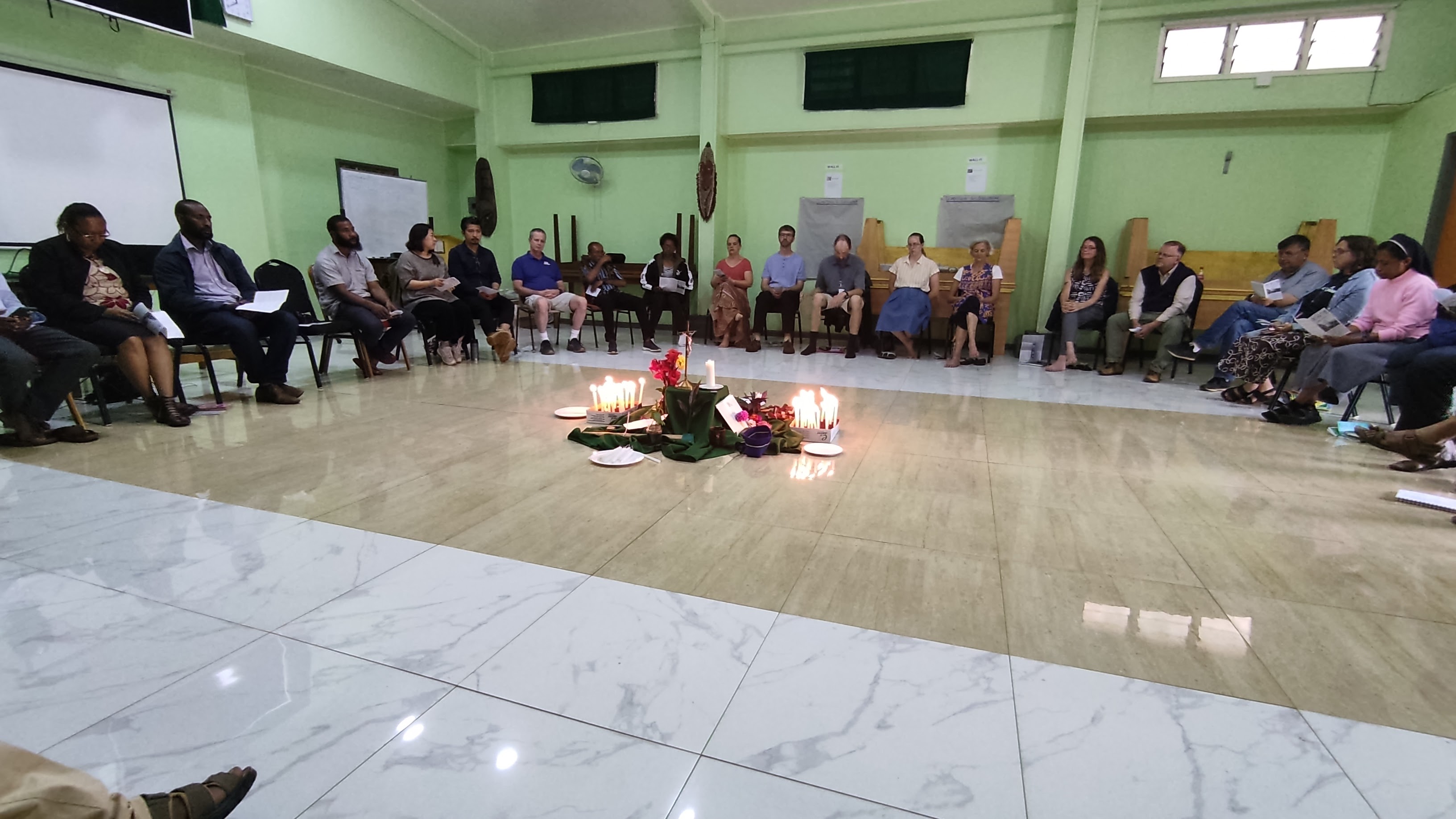
Before we even had time to settle into our new home, our orientation started with a two-week stay at the Melanesian Institute (MI) in Goroka, the “big city” capital of the Eastern Highlands Province (the province Ukarumpa is in).
MI is an anthropological research and teaching institution which for over 50 years (which means it started pre-independence) has focused on helping missionaries better understand Melanesian culture (with a special emphasis on Papua New Guinea) so that they can better serve Melanesian people. The teachers and researchers at MI are not only doing good scholarly research, but also all but one of them are Melanesian, which means before their research they had already started with a better understanding than we will ever reach as outsiders. In addition, their anthropology is very much concerned with application; the goal is not just to publish papers, but to figure out better ways to serve the people being studied.
During our two weeks, we attended a series of seminars that attempted to provide a kind of generalized ethnography (description of a people group) of Melanesians in general. Melanesia is a term that covers multiple countries (Papua New Guinea, Solomon Islands, Vanuatu, Fiji, and part of Indonesia), each of which is made up of at least several different language groups (over 1,300 total at last count), so there is not one “Melanesian” culture, but through their research, MI has been able to determine several cultural tendencies which are common throughout Melanesia. On top of that, since the staff come from all over Papua New Guinea, each had their own perspective and were able to speak to the culture of the specific area from which they came.
We started with a discussion of the history of the region, including pre-history. Linguistic evidence suggests many of the people who now live in Melanesia are descended from a people group (Austronesians) who originally came from what is now Taiwan and eventually settled in Melanesia. We also discussed the impact of colonialism on Melanesia, including how it is still affecting the region today. We dug into traditional Melanesian worldviews, religion, ethics, and values and discussed how they have changed through exposure to Christianity. We talked about more specific values and artifacts of those values, such as family life, kinship identities, land rights and identity, social organization, law and justice, aging and death practices, education, and social mobility. We discussed movements and ministries being done today in PNG and other current issues, such as sorcery accusation, environmental impacts, and the split between Papua New Guinea and the Autonomous Region of Bougainville, that the Church is or should be addressing.
We learned so much at MI that we consider invaluable to our current and future ministry in PNG. Our time there was not all easy or fun; sleeping was difficult, with heat and noise (mostly dogs barking/fighting) keeping us up a lot at night. Kelly was also ill for some of the time, so she missed out on some of the sessions. But we are so glad that we started our ministry in PNG with this important learning experience.
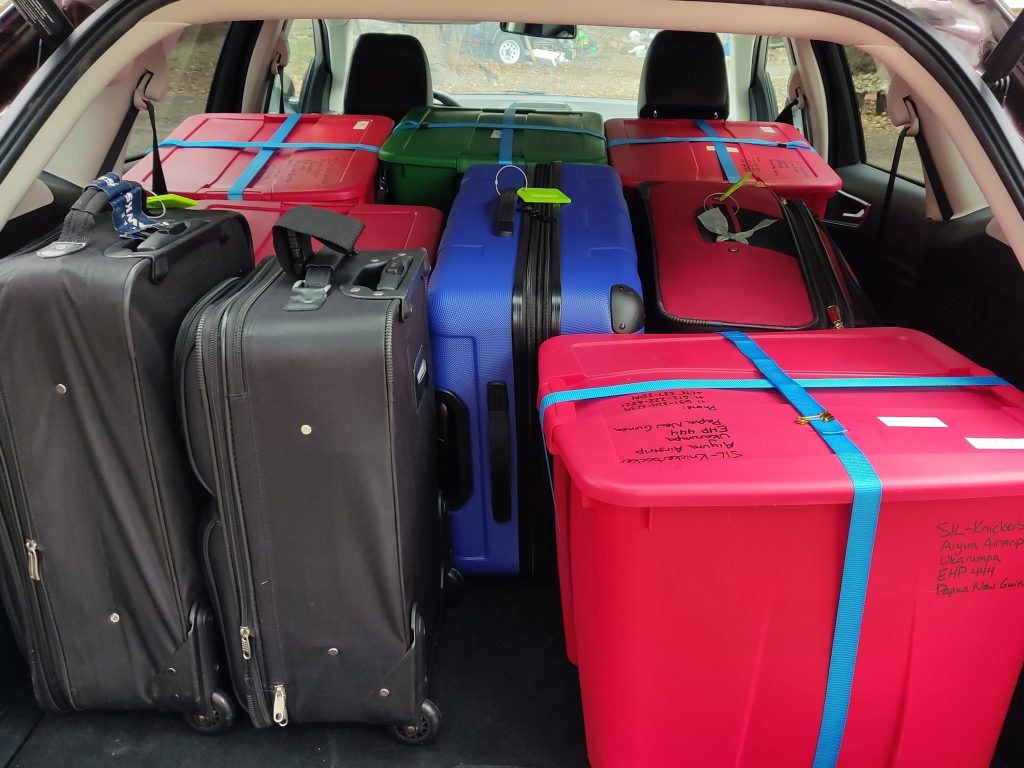
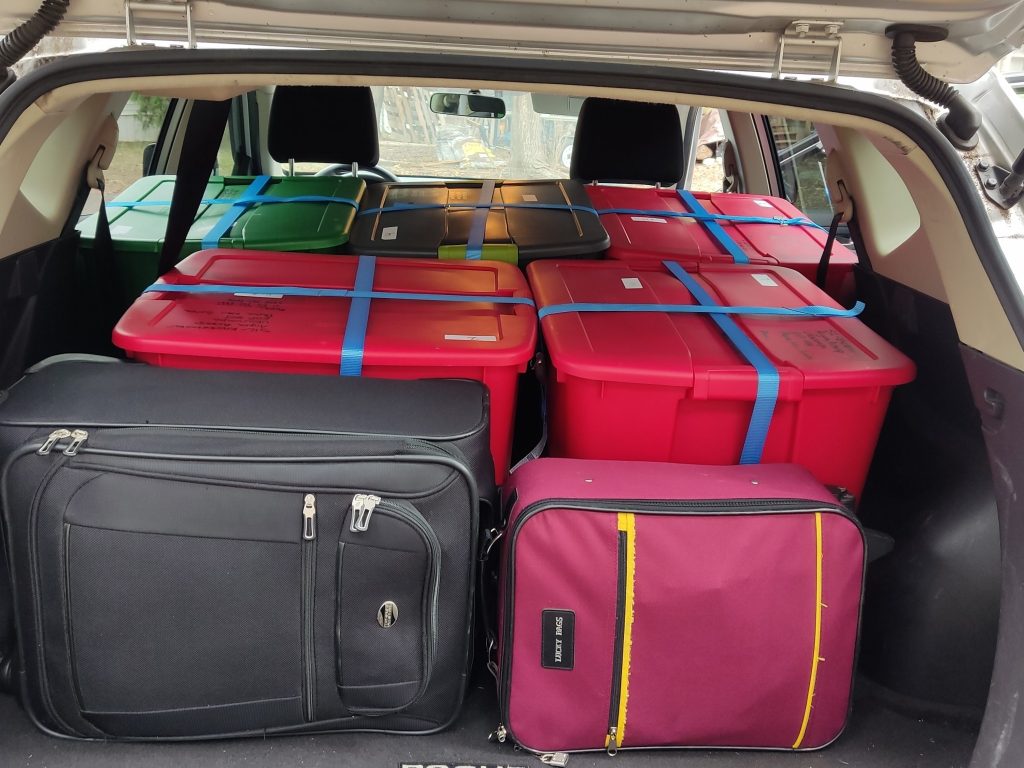
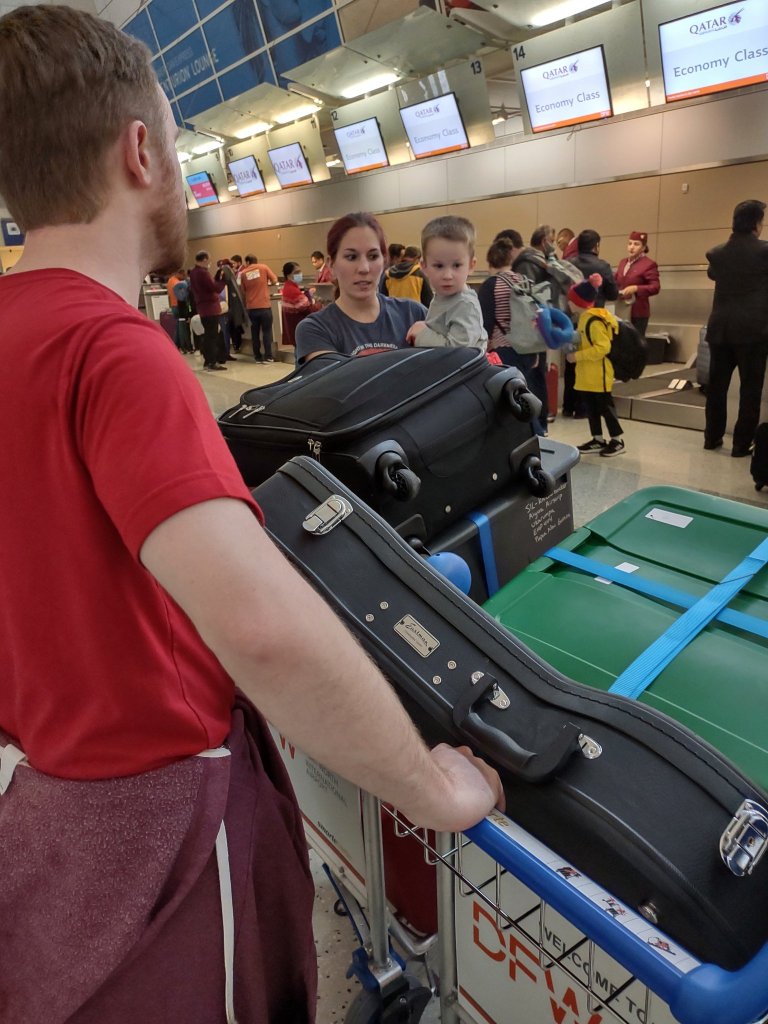
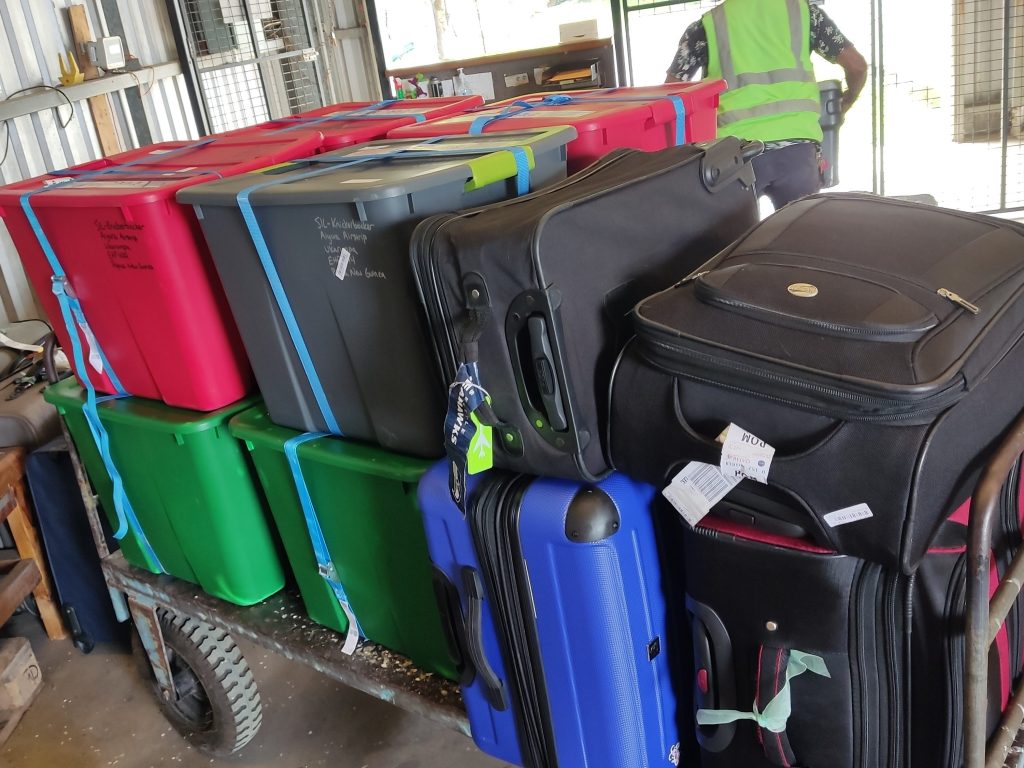
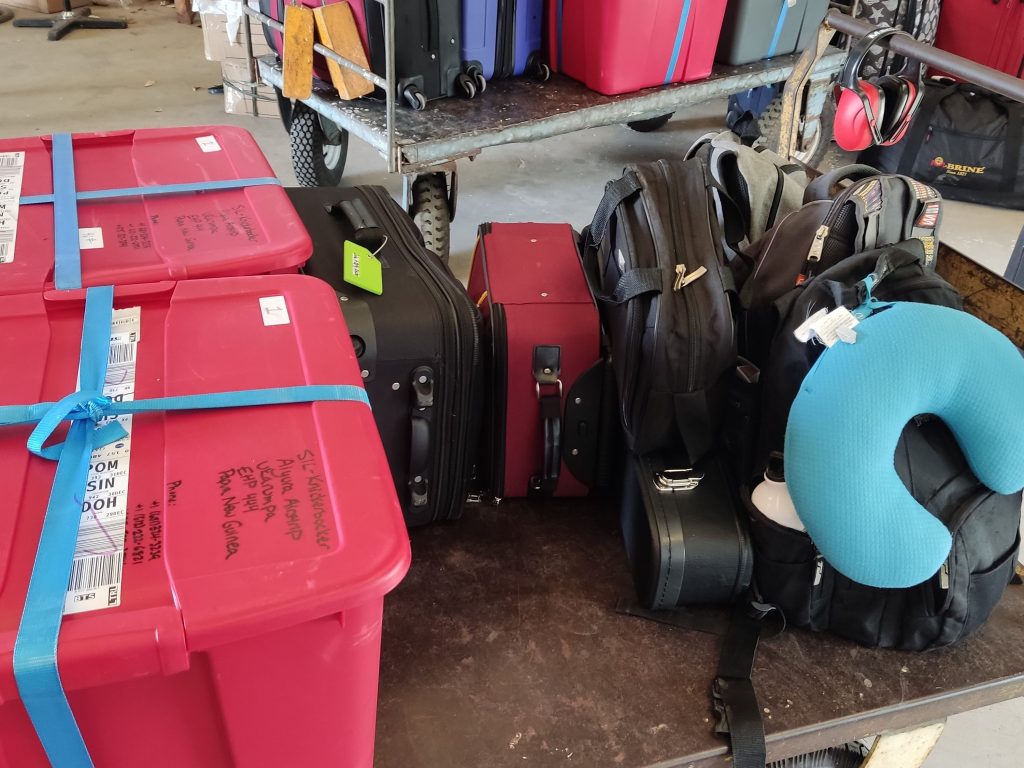
We left Dallas, TX on December 29th, 2022 and didn’t arrive in Ukarumpa (our new home) until January 3rd, 2023. Just leaving our home of the previous two years in Dallas was a challenge. We had to pack up literally everything we owned, which we had decreased severely over the last few years, and either send it home with Kelly’s parents for long-term storage, bring it on the planes with us to Papua New Guinea, or give/throw it away. We spent weeks going through everything and finally finished in time for the move. The items we ended up bringing with us were 10 large plastic totes, 2 full-size suitcases, a mandolin, and various carry-on items. It took three vehicles to get us and all our stuff to the airport, assisted by Kelly’s parents and a friend from DIU.
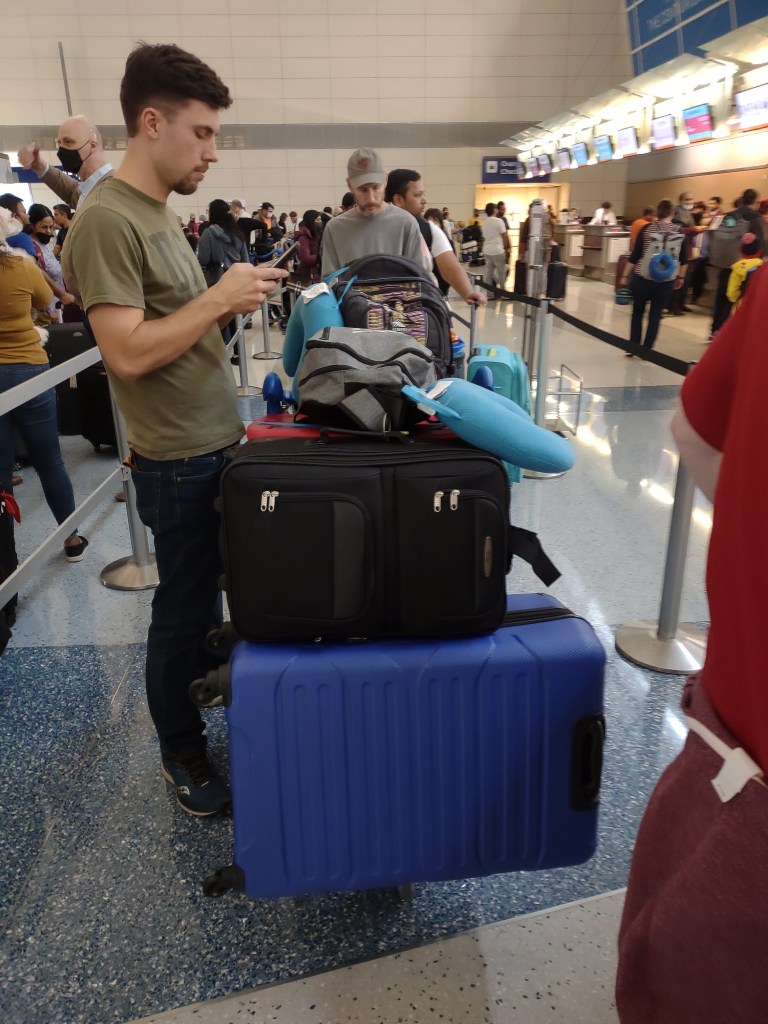
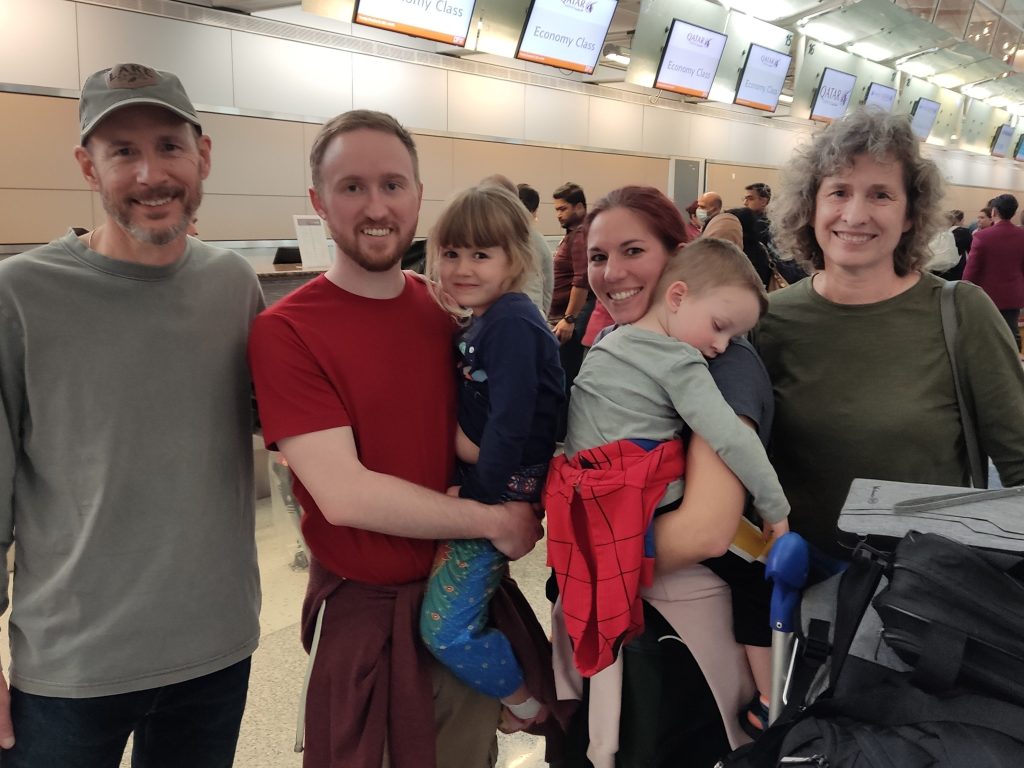
After we got to the airport, we dragged all the luggage inside and waited in the check-in line. One woman at the front started to weigh each individual item, including our carry-ons, which I knew were overweight. Her supervisor glanced at our tickets, saw we were eventually transferring to a different airline, and took over, simplifying the process and skipping the weighing of our carry-ons, which she also knew by this point were overweight. All twelve checked items were shipped off out of sight and we were waved through to security. The rest of our time in Dallas was a pretty normal airport experience. We said goodbye to Kelly’s parents before going through security, then headed to our gate until it was time to leave our home behind.
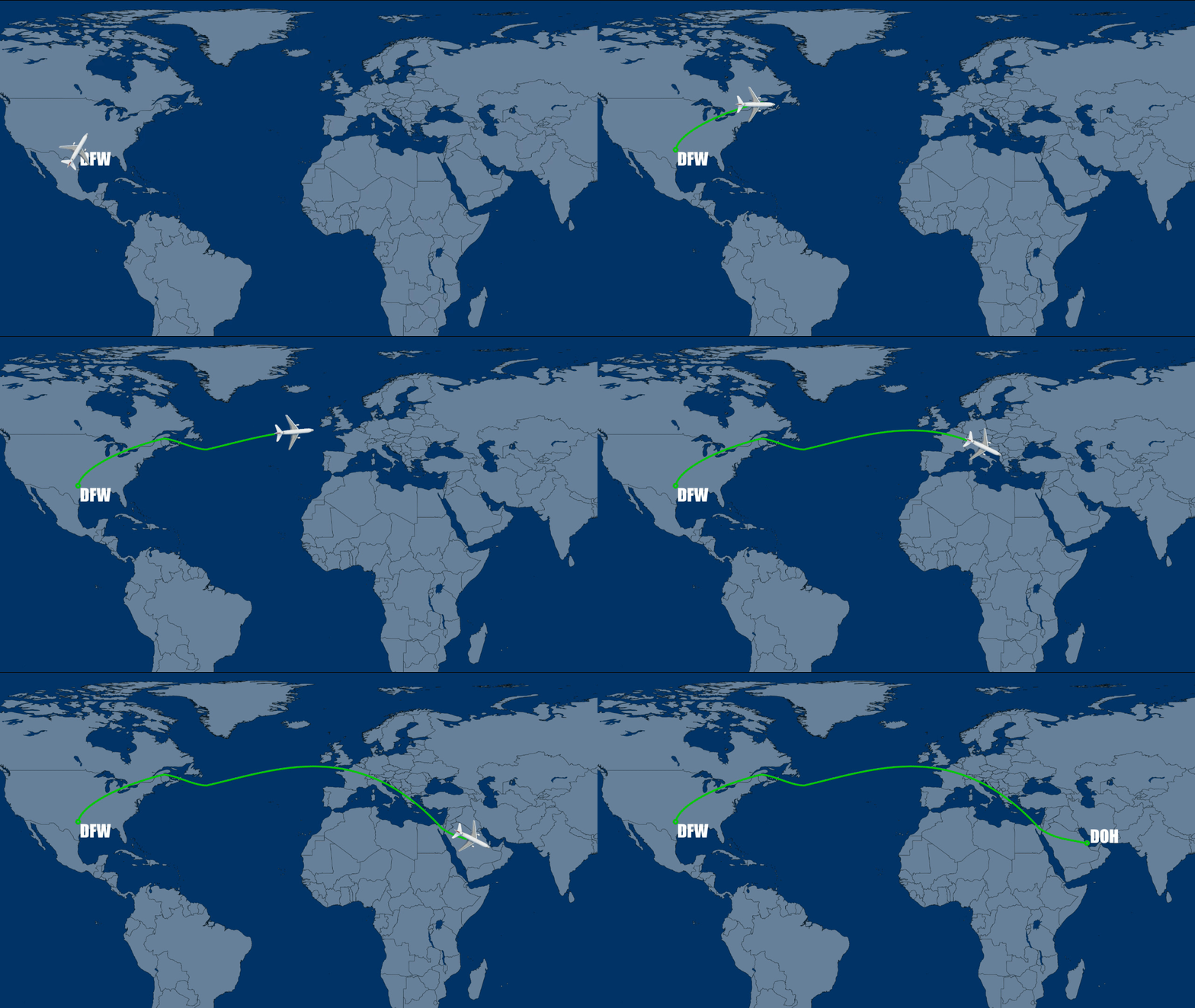
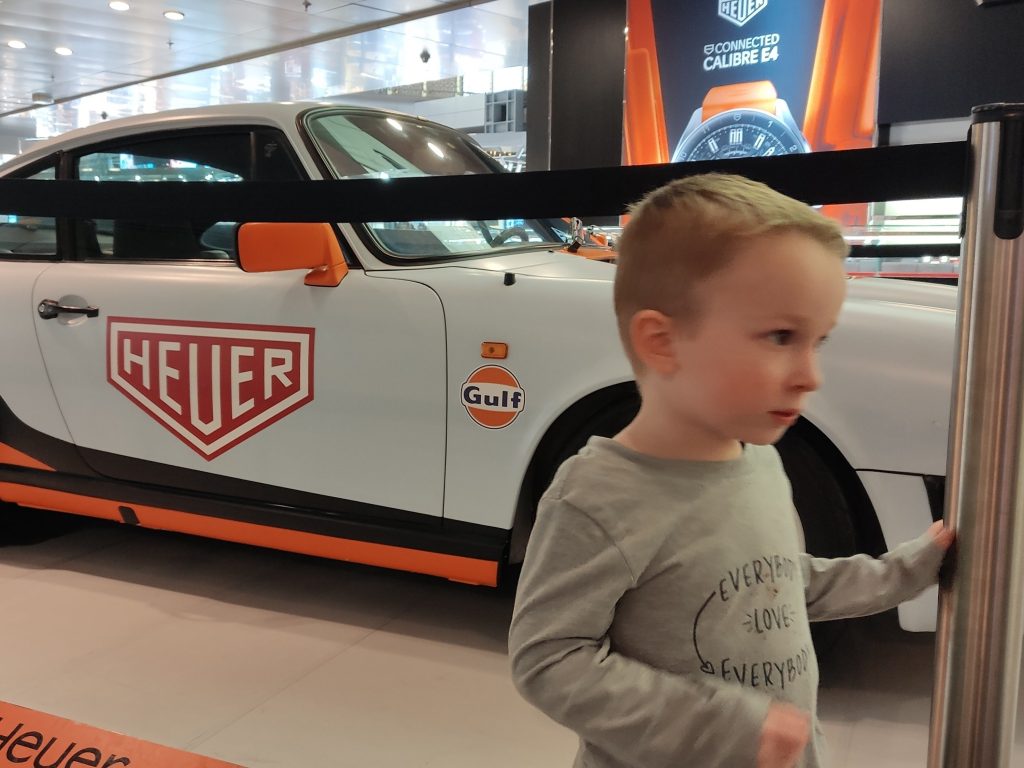
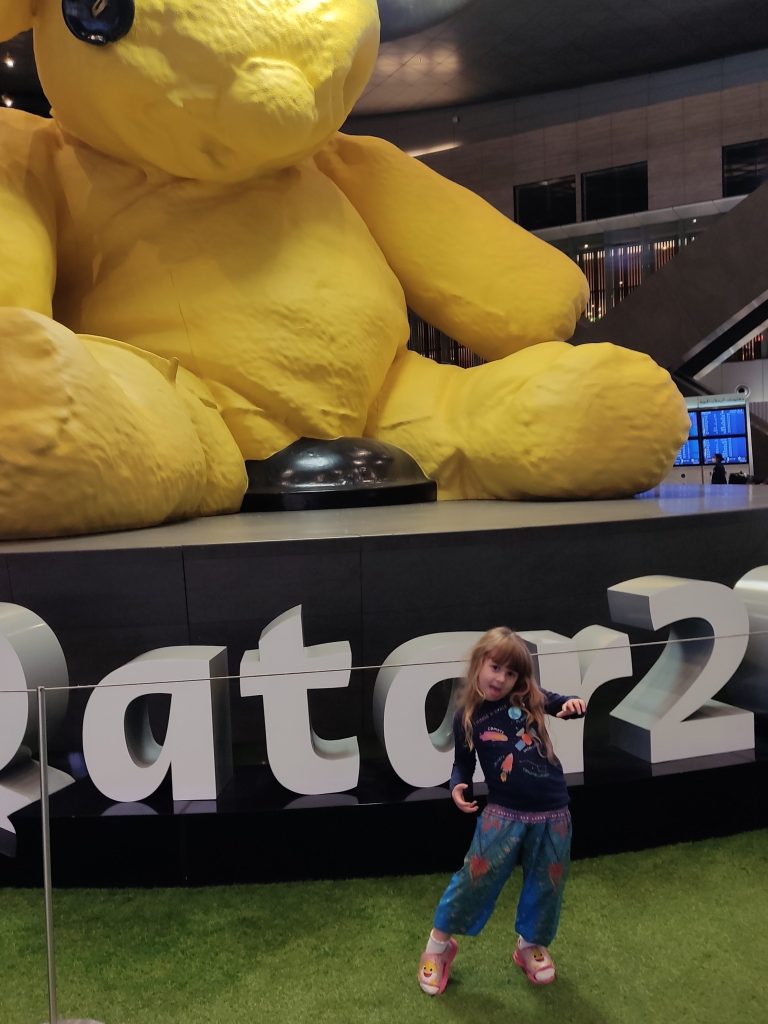
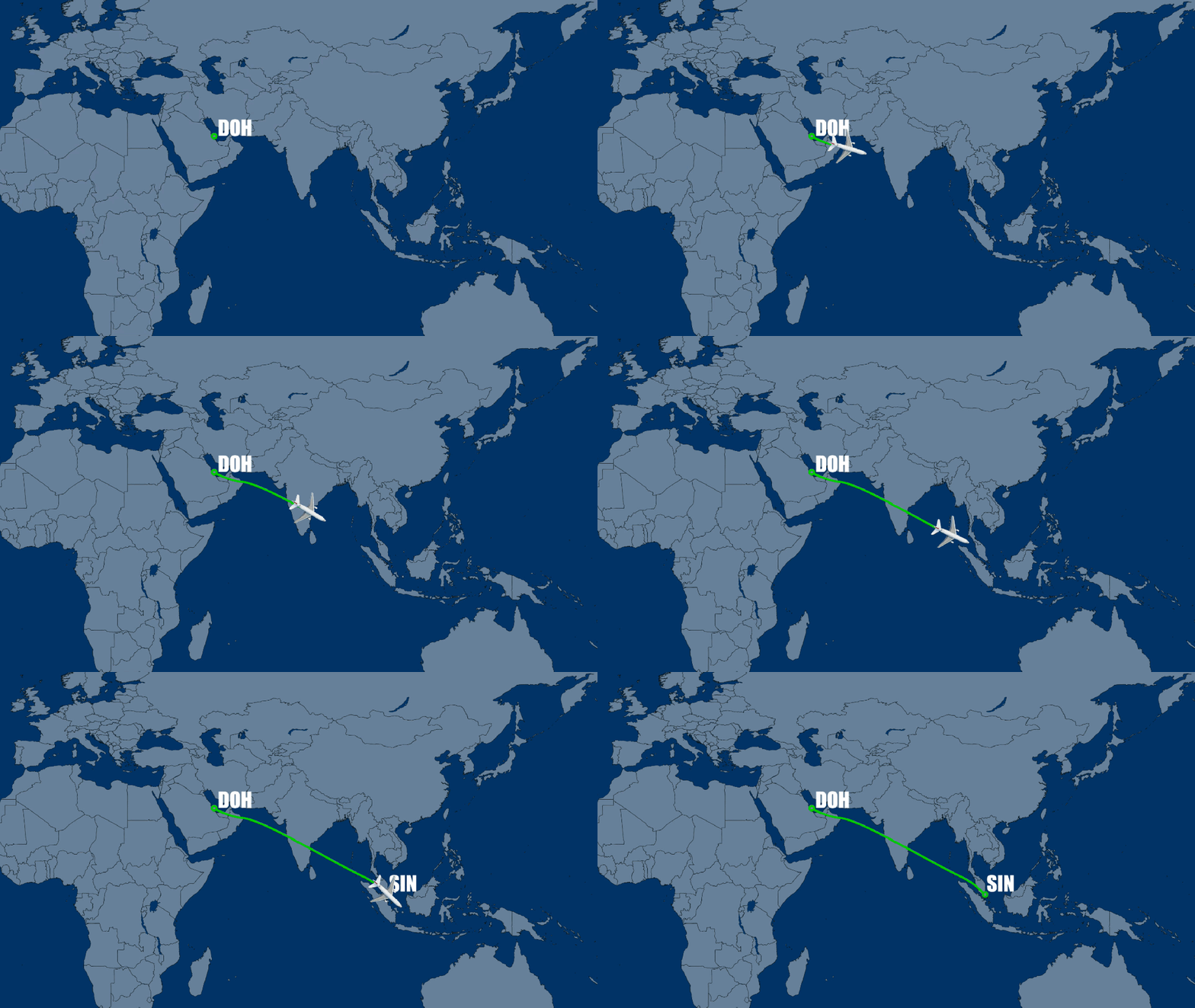
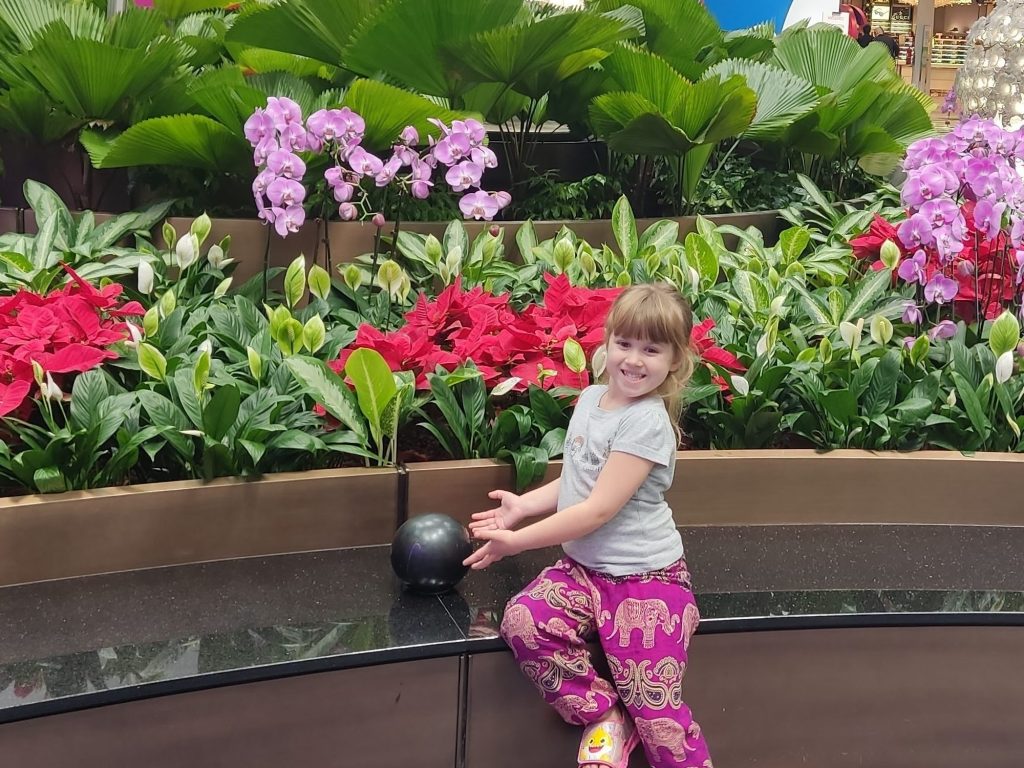
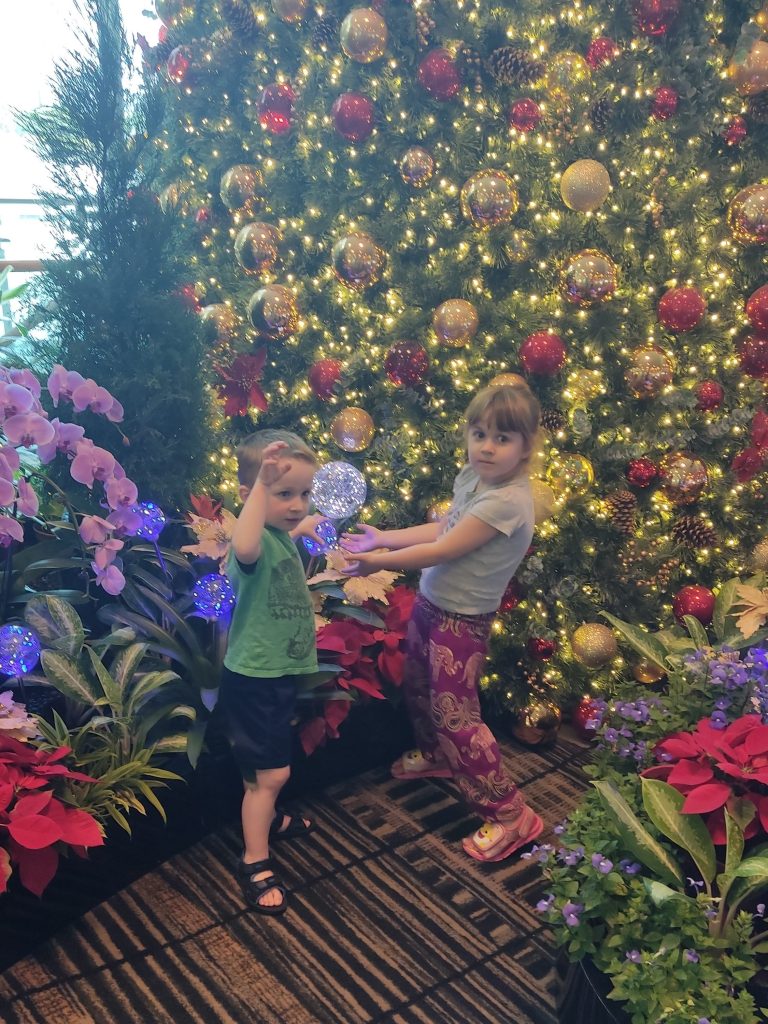
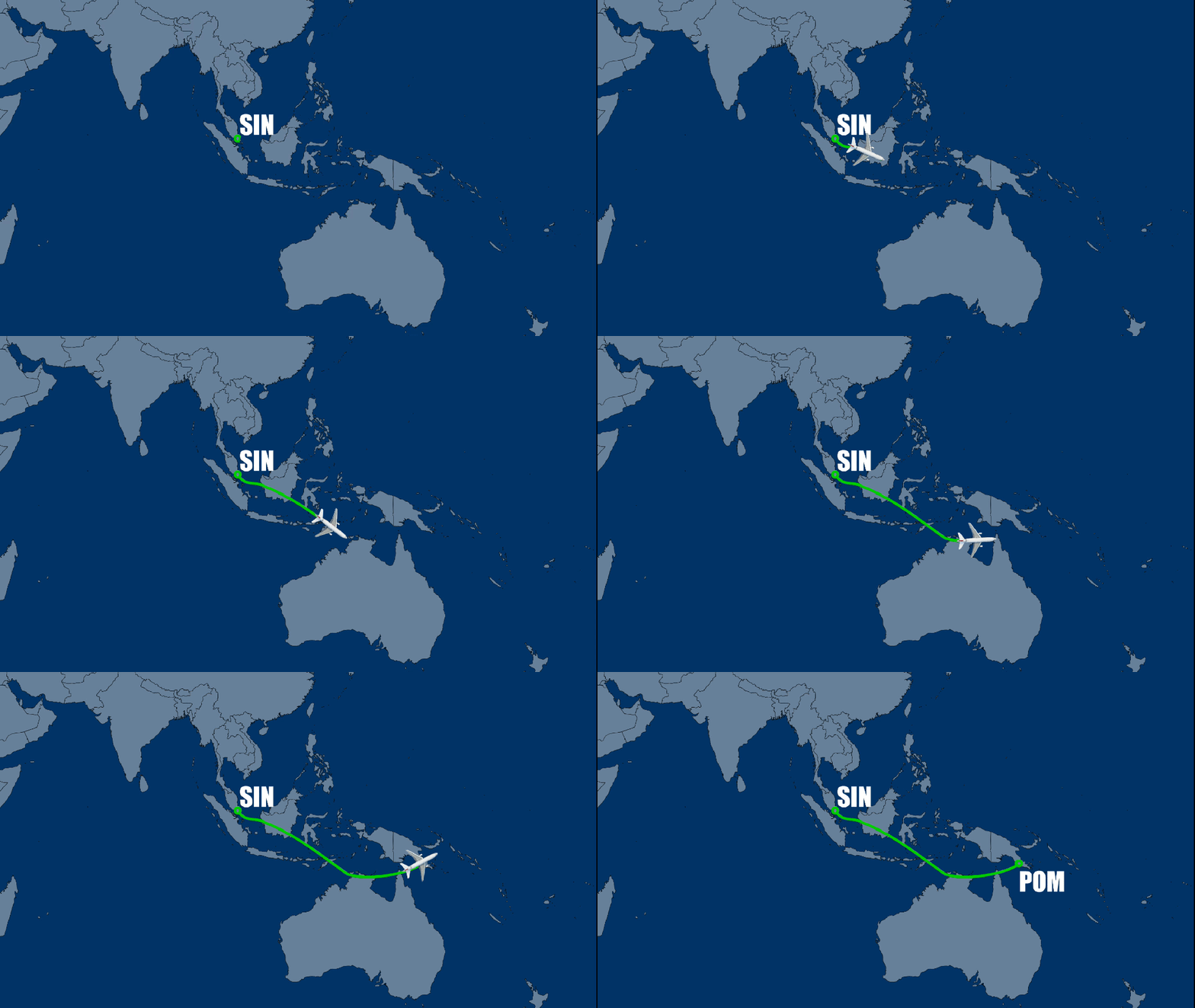
About 14 hours later, plus another 9 hours for the time difference, we landed in Doha, Qatar on December 30th. Our next flight took off only three hours later, headed for Singapore. This flight lasted 7½ hours, jumping ahead another 5 time zones, landing in the morning on December 31st. This time we were in the airport for about 11 hours, taking time to eat, sleep in beds (thankfully a room opened up a couple hours after we arrived), shower, and stretch our legs walking around the airport. After this we were ready for the last leg of our commercial flights. We left Singapore on New Year’s Eve, hit the New Year somewhere over Indonesia, and landed in Port Moresby about 6 ½ hours later (and 2 more time zones), very early in the morning on New Year’s Day, 2023.
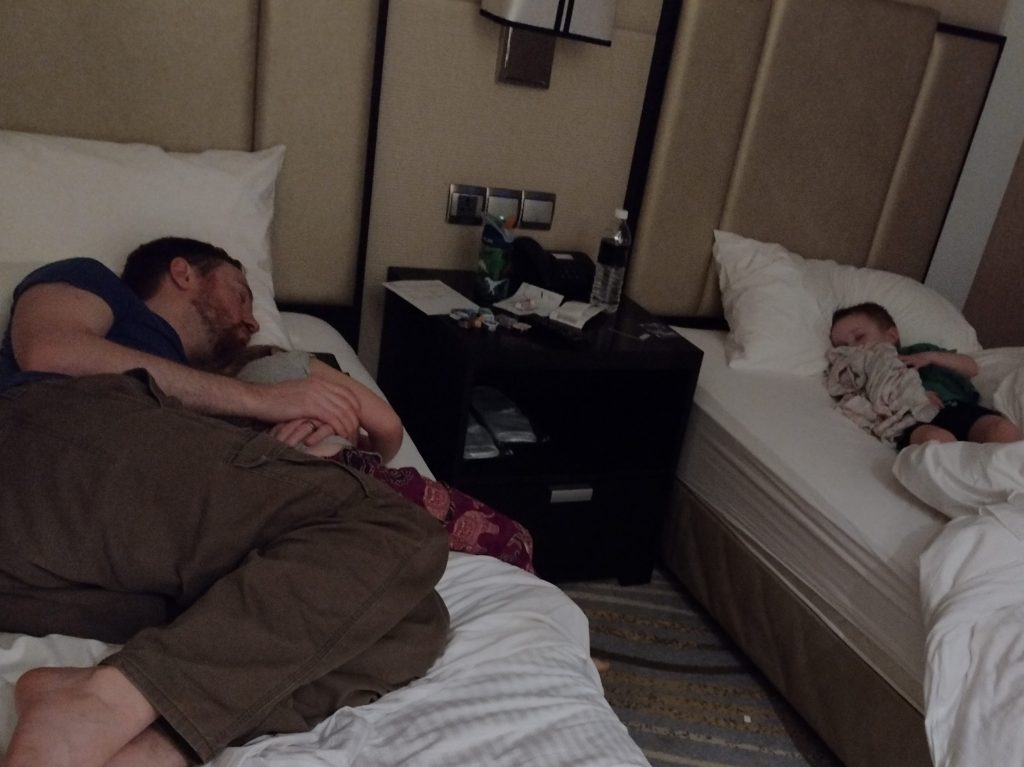
All three of the flights were overnight flights, which led to the kids sleeping quite a bit of them. That made the very long flights go smoother than we anticipated, which was a big blessing. The airports in the middle were a bit of a struggle with the kids. They were tired and we had too much carry-on baggage for two people to lug around; most of the time John was carrying most of it while Kelly carried a couple things plus Tallis. But in each one we were at least able to get some food and stretch our legs a little.
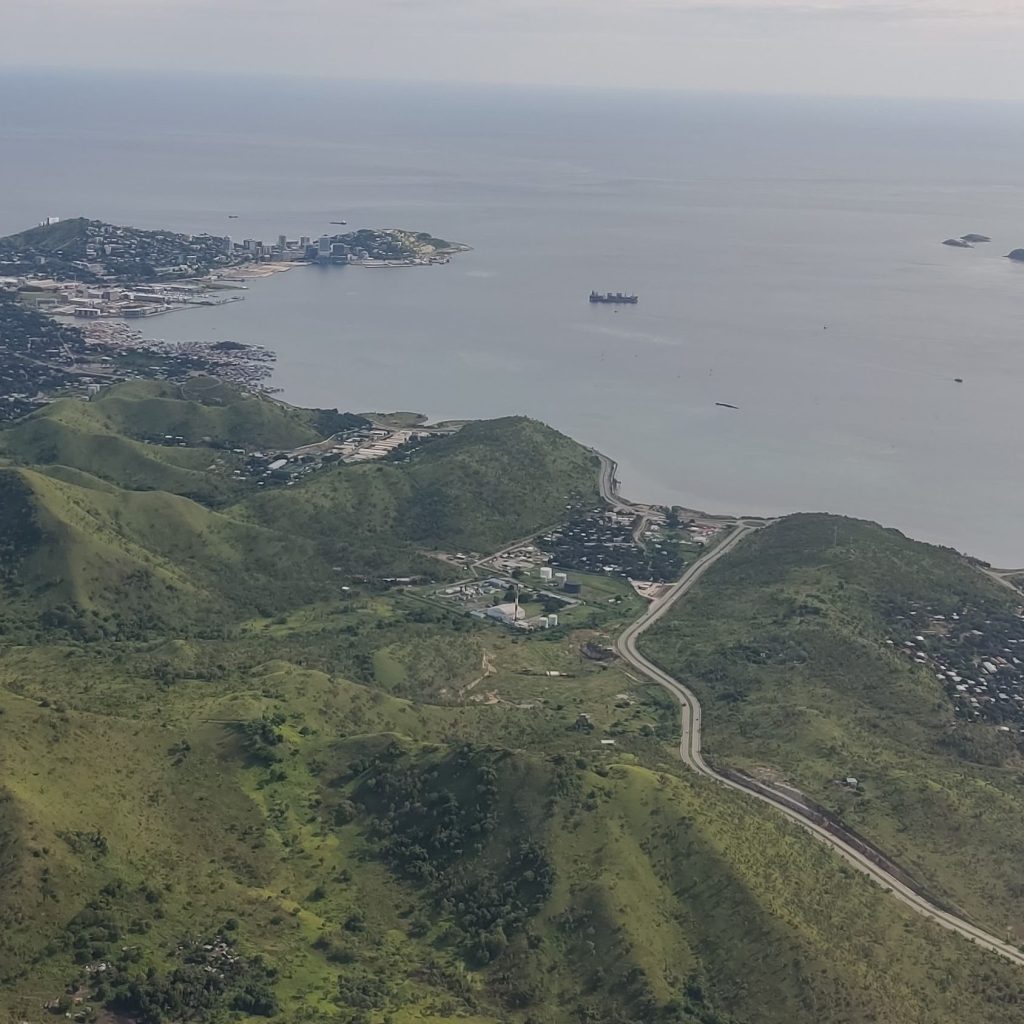
We spent two nights at a hotel in Port Moresby, mostly just resting and recovering from the travel, but we did get out into the city briefly during our one full day there to look around.
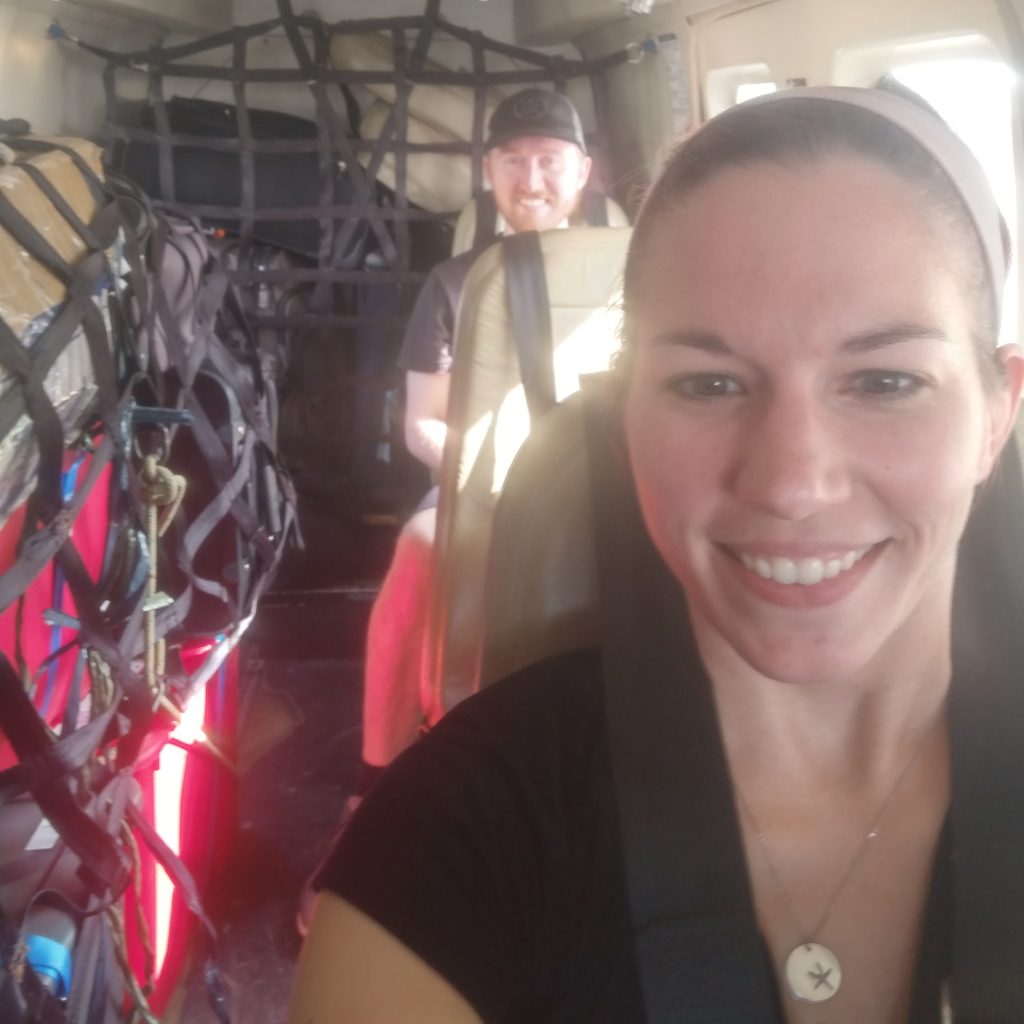
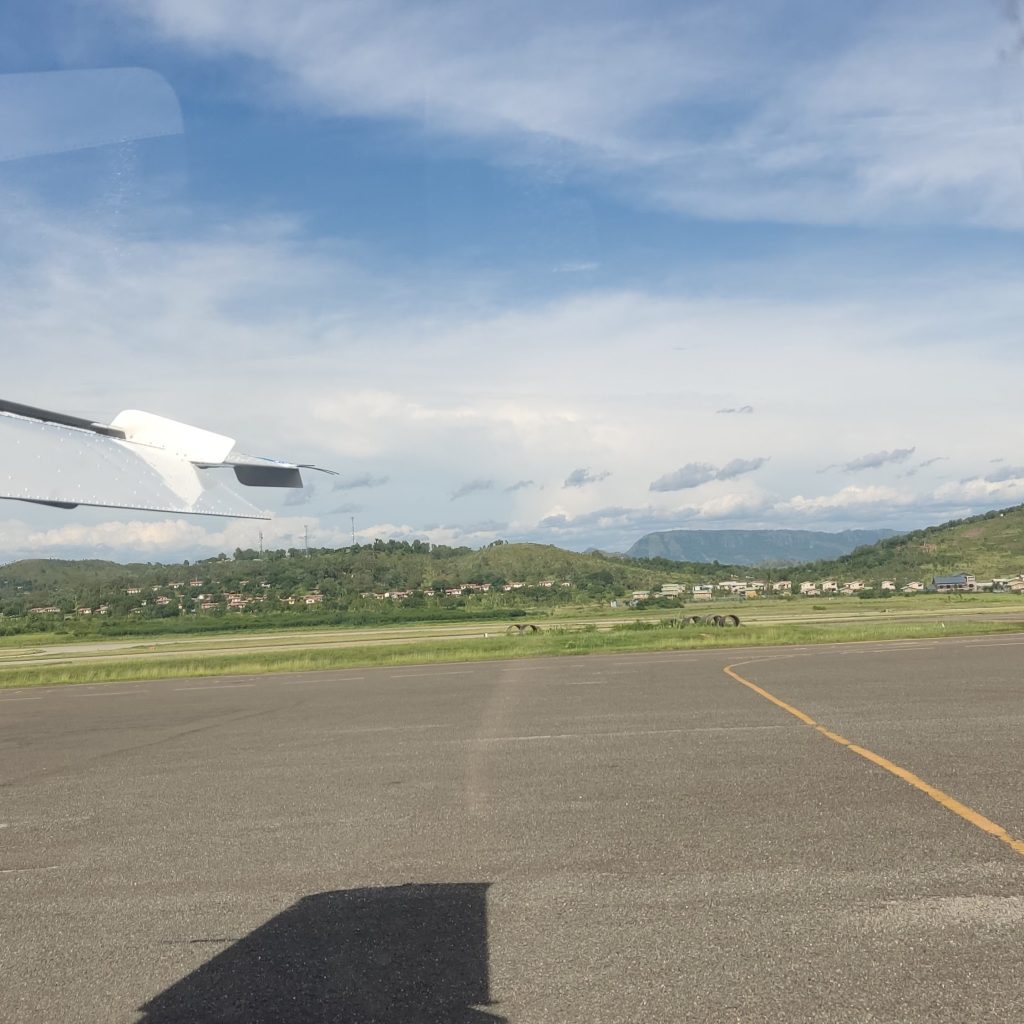
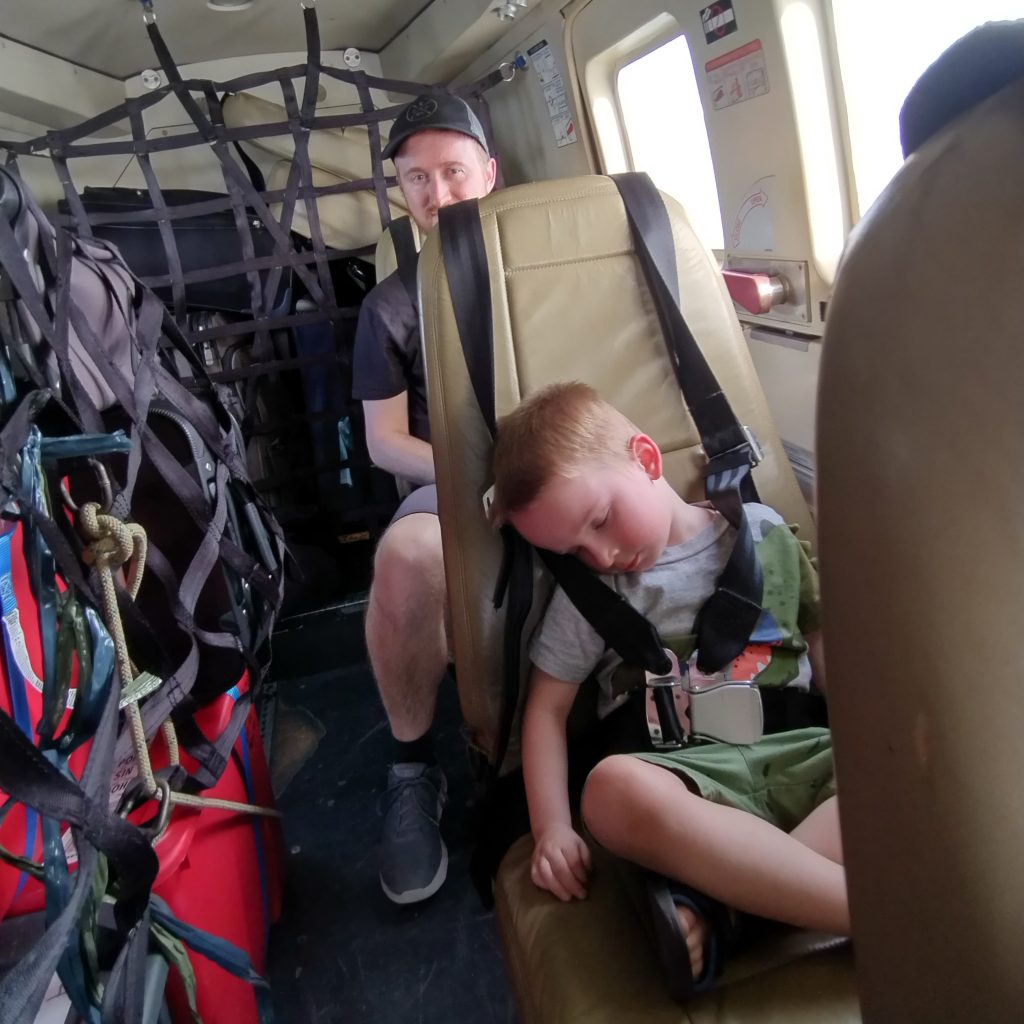
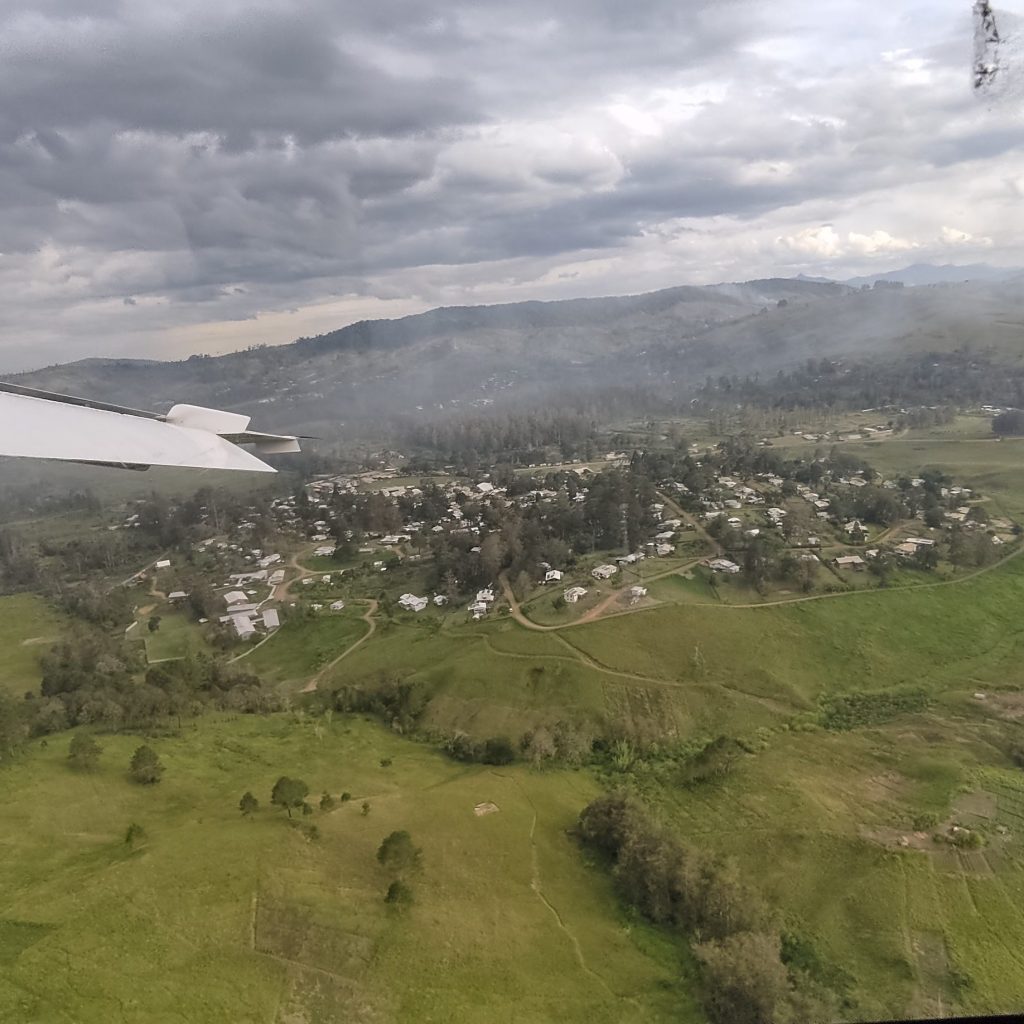
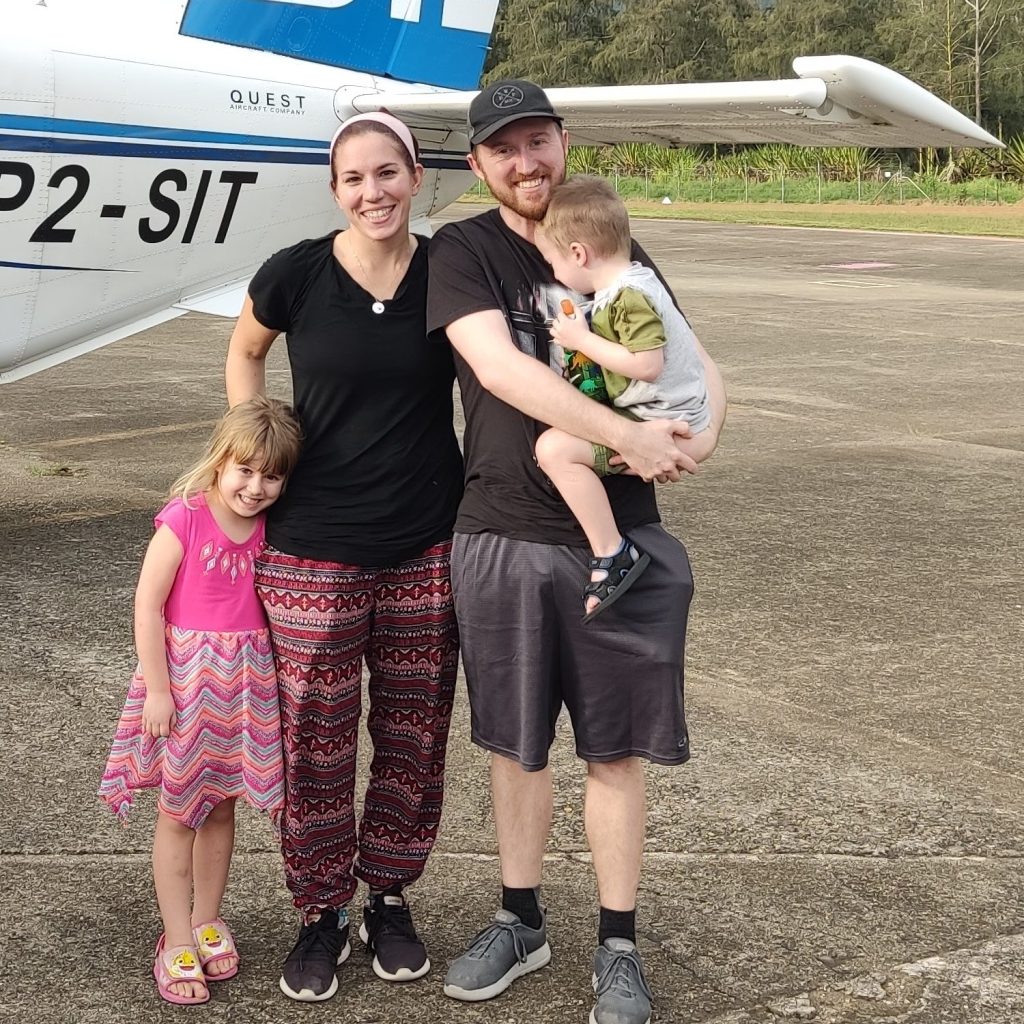
Two days later, we headed back to the airport, this time to the SIL hangar to catch a flight out to Aiyura Airstrip, the SIL airstrip that services Ukarumpa. Some of our cargo needed to stay behind, but it would catch up to us the next day on another flight. On the other end, we were herded into a truck and driven right up to our new house, where we had dinner waiting for us, after which we went promptly to bed and slept.
It’s been a while since we’ve posted here, but we’re hoping to do so more regularly as we finish out our pre-field checklist and move to our field assignment! We’ve spent the last month at the headquarters for JAARS, a sister organization which provides Wycliffe and SIL with transportation and communication solutions and other logistical support. In the video below you can see some footage of the first of many Wycliffe-family flights Kelly and I will take.
We made it to Dallas! The two-day drive went smoothly for John and Kira and I survived the airport and flight with a very busy 14-month-old Tallis who does not like holding still.
John has loved his first week of classes and the kids and I have loved the warmer weather and sunshine. We are slowly getting settled into our new home and figuring out new routines. Kira and I are still getting used to John making random sounds as he does his phonetics homework. 😊
Our biggest prayer request right now is to find some babysitters to help with the kids, especially during the day.
We are so blessed to have so many partners on board and now have 100% in pledges and are receiving 85% of our Wycliffe monthly ministry budget. Thank you!!
-Kelly for all the Knicks
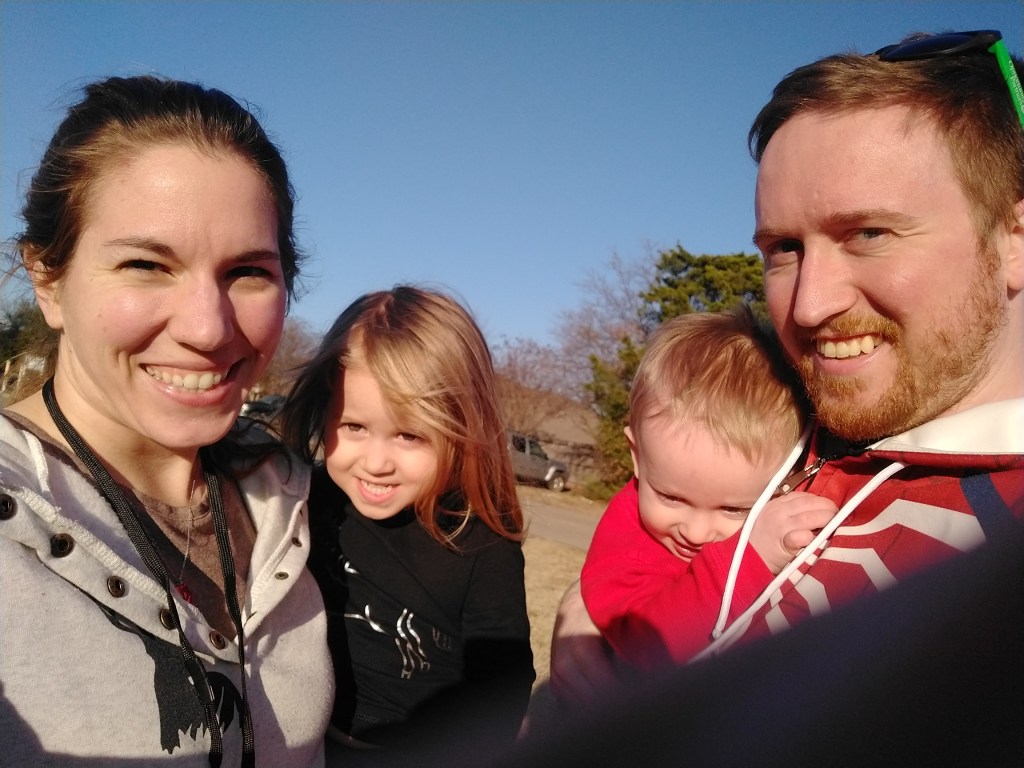
Enjoying the Dallas sun. On the SIL International Linguistics Center campus.
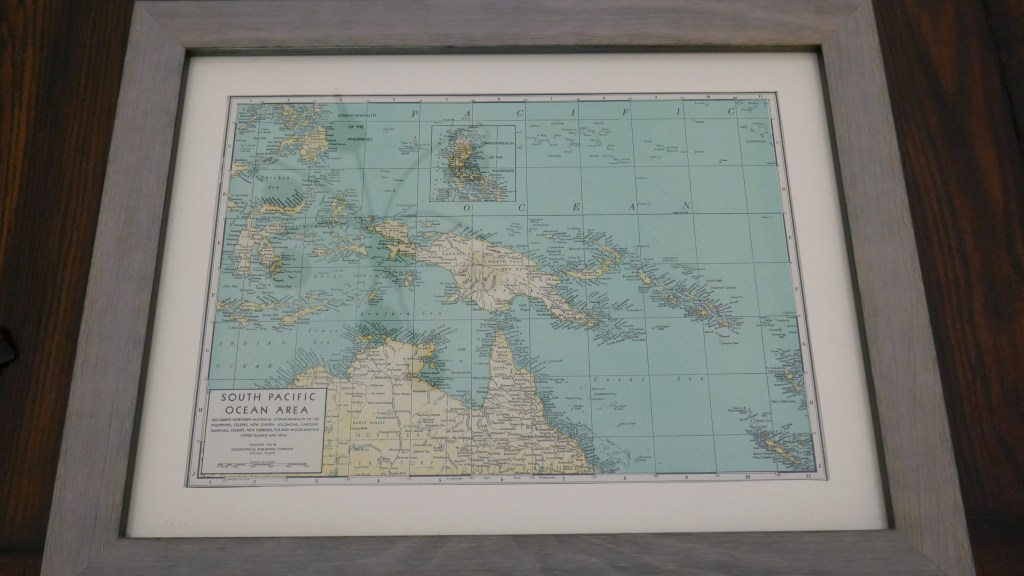
I recently found an old (1943) map of Papua New Guinea and the surrounding area. I bought it, mounted it, and framed it, and now it’s on the wall in our living room. It sounds simple, but I’m very excited about and proud of it.
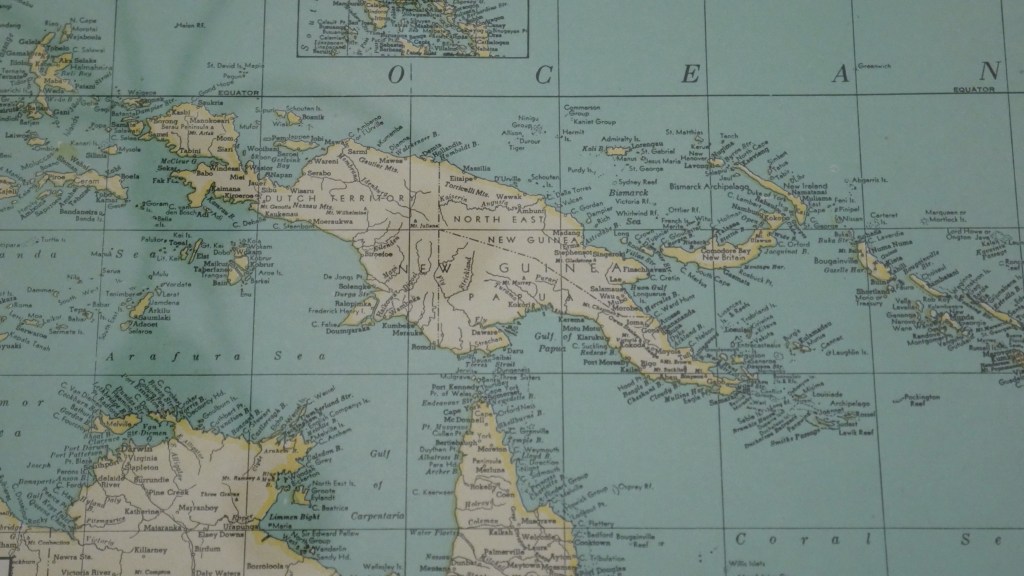
If you look closely at the map, a bit of explanation is in order, since Papua New Guinea is not actually on this map. The island of New Guinea originally contained three colonies. The western half of the island was a Dutch colony known as Netherlands New Guinea (today part of Indonesia). On the eastern side (today’s Papua New Guinea), the northern half was claimed by Germany and named German New Guinea (or Kaiser-Wilhelmsland) and the southern half was claimed by the United Kingdom and named British New Guinea. In 1905 British New Guinea was renamed the Territory of Papua. After World War I, the League of Nations granted the German colony to Australia as the Territory of New Guinea. While Australia also governed the Territory of Papua, it still technically belonged to the UK.
After World War II, the territories of Papua and New Guinea were combined into the Territory of Papua and New Guinea, and later became Papua New Guinea. Since this map was made before the end of the war, you can see the three separate territories still marked on it. The western side is labeled Dutch Territory, the former German colony is labeled North East New Guinea, and the former UK colony is labeled Papua.
Papua New Guinea established its independence from Australia as a sovereign nation on September 16, 1975. They have maintained their status as a commonwealth nation, so they still view Queen Elizabeth II as their head of state. They also still have close ties to Australia as well.
We’ve successfully finished our first week (of two) of Equip Virtual (what is usually Equip Onsite) training. This week we’ve had the pleasure of hearing experienced missions workers tell us their stories and give us a vision of what Wycliffe has accomplished and is accomplishing around the world, as well as had the chance to work on how we can convey our calling and passion to our partners and potential partners.
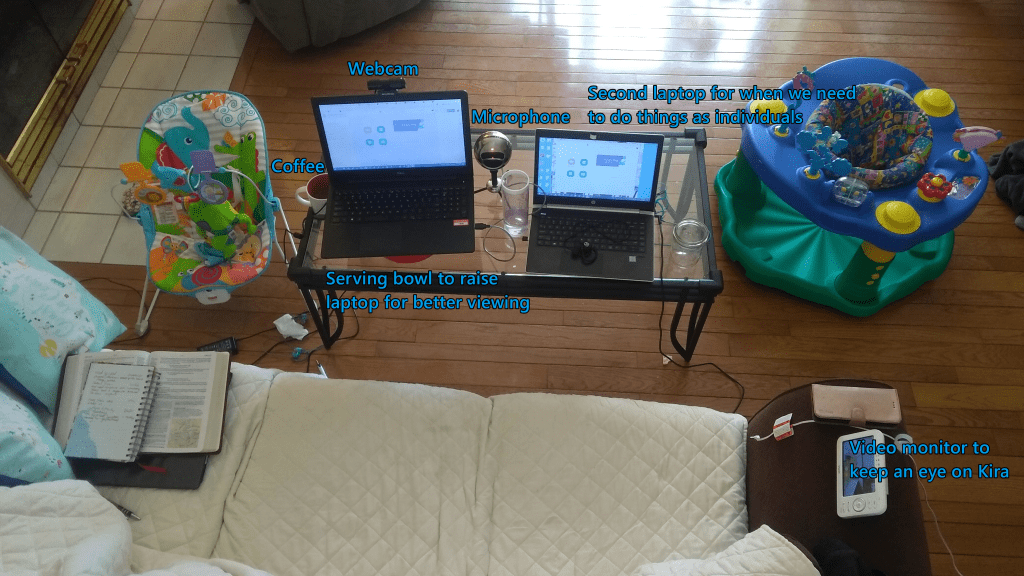
Our typical technology setup for our Zoom sessions.
Kira playing in her room all by herself.
One of our concerns this week was how Kira and Tallis would do while we are in our sessions, but they’ve done great! Kira has been very happy to play in her room much of the day, using her imagination and playing with some learning toys someone was generous enough to lend us, and to play outside on our deck at other times. And Tallis has been content enough for us to focus on the sessions while taking care of him as well.
Pray for us as we continue this vital training so that we can be better equipped to do the work God has called us to.
We are excited this week to begin the main portion of our first Wycliffe training. Equip is focused on equipping us for the work God has in store for us, both now and on the field. We are so glad this training is still happening, but disappointed to be missing out on the in-person fellowship, childcare, and other benefits we would have received at Wycliffe headquarters in Orlando.
The last week or so we’ve been working on ways to keep Kira happy during our online trainings without excessive screen time. I’ve made a lot of little cutouts of her favorite movie characters to play with, Kelly’s put together some activity packs as well, we’ve had some generous friends give us a toddler trampoline and slide for her, and Wycliffe’s MK (missionary kid) Care Facilitator has provided some resources we can use as well.
Please pray for us as we devote the next two weeks to this training. Pray that we will be sensitive to the Holy Spirit in this time and learn and grow. Pray, for us and for all the families taking part, that our children would allow us to focus on our training.
We are both taking two weeks off work to focus on this vital training, so you can also pray for Eagan Hills Church and for Opportunity Partners that they would function well without us.
We are not surprised to be updating you that our Equip Wycliffe training in Orlando has moved to online training. While we are not disappointed to avoid airports and traveling with two littles, we were looking forward to being at Wycliffe headquarters, meeting more Wycliffe missionaries, and the kids MK (missionary kid) Program sounded so fun for Kira. The big challenge now will be how to do two weeks of full-time training without child care. We are not alone in this as several other people attending the training also have young kids. I suppose it will be a lesson for all of us in flexibility and adaptability. There are a lot of details that will be worked out in the coming weeks but we wanted to update you with what we know so far. Thanks for praying with us in all of this. We are praying for all of you to be well physically, spiritually, mentally, and emotionally. I’ll close with something that was shared with me from a Wycliffe mentor:
“Let me close with a reminder of God’s faithfulness 100 years ago as William Cameron ‘Uncle Cam’ Townsend—the founder of JAARS, Wycliffe Bible Translators, and SIL International—began his Bible translation work in Guatemala in the first language of this modern movement. Uncle Cam obeyed God’s call in the midst of World War I and went to Guatemala. Then he began ministry just as the Spanish Flu pandemic was exploding around the world. The same God who cared for and protected Uncle Cam and others in those days can protect and watch over us now. ‘Therefore, my dear brothers and sisters, stand firm. Let nothing move you. Always give yourselves fully to the work of the Lord, because you know that your labor in the Lord is not in vain.‘ —1 Corinthians 15:58“

 Knick News